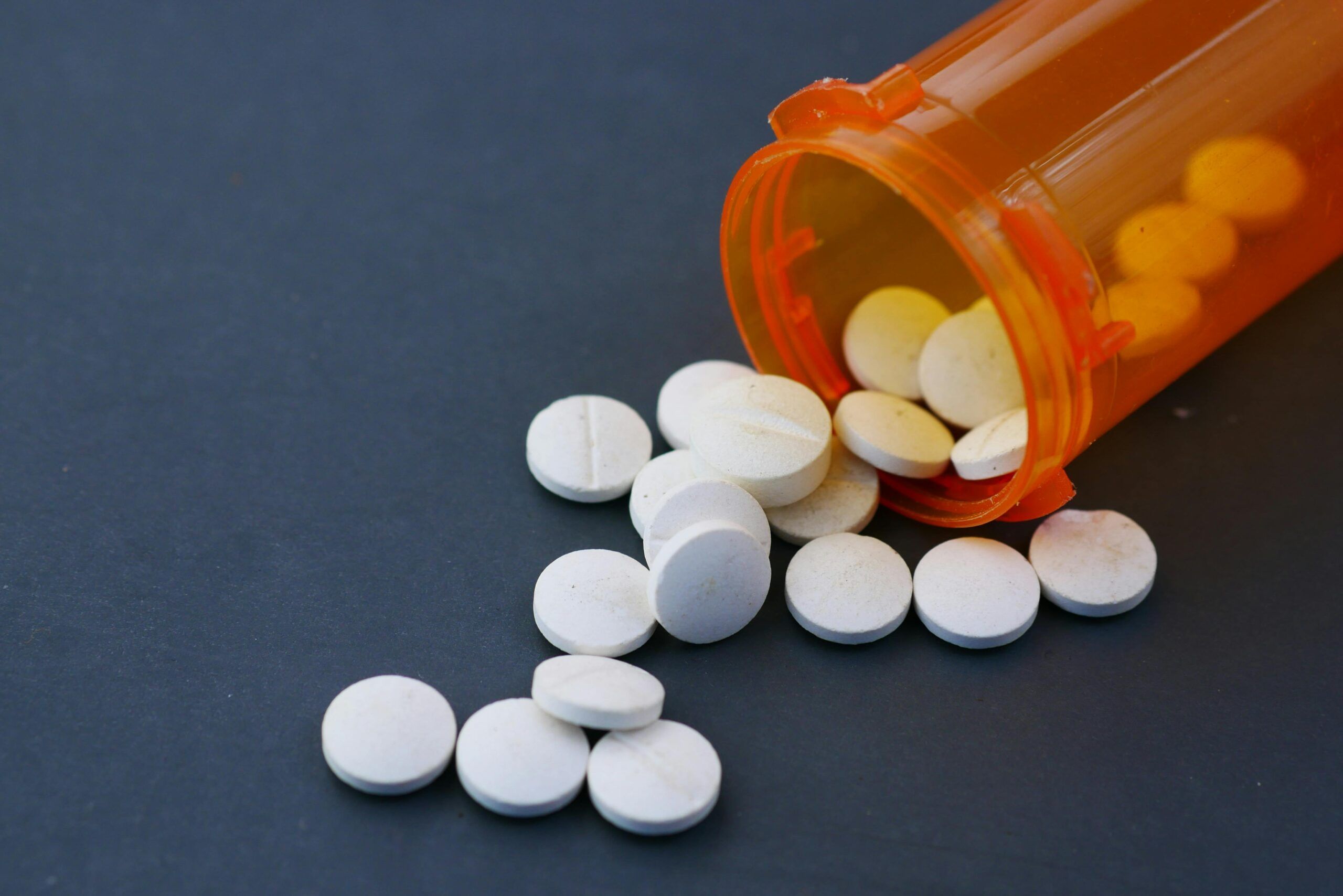
Mixing opioids with benzodiazepines can be dangerous and increase the risk of overdose and death.1 Understanding the risks of taking benzodiazepines and opioids together can help you avoid serious harm. Learn why mixing benzos and opioids is so risky and what you can do if you are ready to begin recovery at a drug and alcohol rehab in Atlanta.
Can You Mix Benzodiazepines and Opioids?
No. Mixing benzodiazepines and opioids is very dangerous and can greatly increase the likelihood of life-threatening overdose.2 In rare cases a clinician may co-prescribe the two drugs with extreme caution and close monitoring, but the combination significantly increases overdose risk.1,2 Both opioids and benzodiazepines are central nervous system (CNS) depressants, which slow brain activity and produce calming effects.3 Using both substances together can suppress breathing and cause sedation, resulting in overdose fatality.1
Mixing benzodiazepines with illicit opioids can be even more dangerous due to the unpredictability of the potency of illicit drugs. Benzodiazepines have even been found in some illicit opioid supplies in the U.S. This means you might be taking higher doses of benzodiazepines without realizing it.2
Effects of Mixing Benzos and Opioids
Using benzodiazepines and opioids at the same time can cause several harmful effects.2 Both drugs slow activity in the central nervous system, which can greatly increase the risk of dangerous side effects, including overdose, coma, or death.1,3 Here are some of the things that can happen when benzos and opioids are used together
- Impaired cognitive function4
- Sedation4
- Suppressed breathing4
- Drowsiness1
- Dizziness1
- Increased risk of overdose1
How Benzos and Opioids Interact in the Brain and Body
Both opioids and benzodiazepines are depressants, meaning they slow down the central nervous system.1 Benzodiazepines enhance the effects of the inhibitory neurotransmitter GABA at GABA-A receptors, while opioids target receptors in the brain.2,5 Their effects can overlap, even though opioids and benzos act on different receptor systems in the central nervous system.1
Because both substances can cause sedation and slow breathing, using them together can be extremely harmful.1 These effects are a major reason overdoses can be fatal, which makes using both substances together especially dangerous.3
Opioid and Benzo Receptors
While benzos and opioids produce similar effects on the central nervous system, each targets different parts of the brain.2,5 Benzodiazepines raise the level of a neurotransmitter that reduces activity in the brain called GABA. This works to sedate or calm you, especially if you’re experiencing anxiety or insomnia.2
Opioids bind to opioid receptors on specific nerve cells in the spinal cord, brain, and throughout the body. Often used to manage pain, opioids can stop pain signal transmissions. Opioid receptors are also found in the brain’s reward system. As opioids connect to these receptors, they alter how nerve cells work.5
Respiratory Drive and Arousal Pathways
Opioids and benzos have similar effects on the central nervous system. Because they act on different receptor systems, using them together can intensify their depressant effects.2 This means that your breathing can slow dramatically, sometimes to dangerous levels. At the same time, sedation can reduce your body’s natural ability to wake up or respond.
Opioids and benzos significantly alter the systems that would normally keep you awake and alert. That’s why using benzodiazepines and opioids can greatly increase the risk of respiratory depression, extreme drowsiness, and overdose.1
Metabolism, Half-Life, and Accumulation
While the liver is the main site of metabolism for both opioids and benzos, our bodies process each drug differently.6,7 The half-life of both opioids and benzodiazepines can vary depending on the exact drug type and its metabolites.8,9 Some opioids remain in your system for about 30 minutes, and others can last up to a few days.8 Similarly, the average half-life of the benzodiazepine, diazepam, is about two days. Still, its metabolite, desmethyldiazepam, can take up to 100 hours to leave your system.9
Because these benzodiazepines can stay in your body for several days after a single dose, they can build up over time. This means that even if you do not take them at the exact same time, their effects can still overlap and build up in your system.10
Enzyme Pathways and Drug–Drug Interactions
Some opioids are metabolized by liver enzymes that can be inhibited or induced by other drugs, including benzodiazepines. Taking them together can slow or increase opioid exposure in some cases (depending on enzyme inhibition/induction), and the combined CNS-depressant effects can raise the risk of the dangerous effects of mixing benzos and opioids, such as slowed breathing, extreme drowsiness, and overdose.10
Guidance and Warnings from Health Authorities
Major health organizations generally advise against prescribing benzos and opioids at the same time. Both prescriptions carry U.S. Food and Drug Administration (FDA) “black box” warnings on their labels that highlight the potential dangers of mixing these drugs.2 Your provider may choose to avoid or limit prescribing opioids and benzos together. They may also explore alternative options to develop a plan to help you manage your conditions effectively without using both drugs.1
In certain circumstances, your doctor may prescribe benzodiazepines and opioids together with caution. The Centers for Disease Control and Prevention (CDC) provides a Clinical Practice Guideline for Prescribing Opioids for Pain in these situations.2 If other options for managing pain and anxiety aren’t available, providers are encouraged to monitor their patients closely and adjust doses based on their needs.1
Harm Reduction for Benzos and Opioids
If you are currently using benzos and opioids, there are steps you can take to reduce some of the risks. Drug checking opioids and benzos can be a beneficial harm reduction approach, particularly for illicit substances.11 Depending on your area, community testing methods and other harm reduction services may be available. That way, you can have a better understanding of which substances are entering your body.
Keeping Narcan (naloxone) on hand can help reverse an opioid overdose and may save a life. This opioid overdose reversal medication can be life-saving but it’s vital to note that Narcan only works for opioids and won’t stop a benzo overdose.12
Treatment for Benzodiazepine and Opioid Addiction
Getting help for opioid and benzodiazepine addiction often starts with an assessment to determine the level of care that will best support you. Treatment centers like Empowered Recovery Center use an integrated approach that addresses both addictions at the same time.
Medication-assisted treatment (MAT) may also be incorporated into treatment. This approach uses FDA-approved medications, like buprenorphine, to manage withdrawal symptoms of quitting opioids. Taking benzos while participating in MAT can pose similar risks, so your doctor will need to monitor you closely and adjust your plan as needed.14
Empowered Recovery Center in Atlanta offers professional addiction recovery services for anyone battling addiction to opioids, benzos, or both. Our rehab admissions team can help you get started on your recovery journey. Whether you’re wondering about using insurance to pay for rehab or other ways to cover the cost of rehab, we’re here to answer all of your questions.
We provide various rehab programs in Atlanta to meet you where you are in recovery, including partial hospitalization programs (PHPs), virtual and intensive outpatient programs (IOPs), and more.
Contact Empowered Recovery Center to verify your insurance benefits and begin your recovery today.
References
- Vermont Department of Health. (n.d.). What You Need To Know About: Opioids & Benzodiazepines. Retrieved on November 3, 2025, from https://www.healthvermont.gov/sites/default/files/documents/pdf/ADAP_Patient_Education_Opioids_Benzos.pdf.
- National Institute on Drug Abuse. (2022). Benzodiazepines and Opioids. Retrieved on November 3, 2025, from https://nida.nih.gov/research-topics/opioids/benzodiazepines-opioids.
- Centers for Medicare & Medicaid Services. (2016). Concurrent Use of Opioids and Benzodiazepines in a Medicare Part D Population. Retrieved on November 3, 2025, from https://www.cms.gov/Medicare/Prescription-Drug-Coverage/PrescriptionDrugCovContra/Downloads/Concurrent-Use-of-Opioids-and-Benzodiazepines-in-a-Medicare-Part-D-Population-CY-2015.pdf.
- UC Davis Health. (2022). CDC grant to study risks of combined use of opioids and ‘benzos’. Retrieved on November 3, 2025, from https://health.ucdavis.edu/news/headlines/cdc-grant-to-study-risks-of-combined-use-of-opioids-and-benzos/2022/09
- National Institute on Drug Abuse. (2024). Opioids. Retrieved on November 3, 2025, from https://nida.nih.gov/research-topics/opioids.
- Agarwal D., Udoji M., Trescot A. (2017). Genetic Testing for Opioid Pain Management: A Primer. Retrieved on November 3, 2025, from https://pmc.ncbi.nlm.nih.gov/articles/PMC5447546/.
- Griffin C., Kaye A., Bueno F., Kaye A. (2013). Benzodiazepine pharmacology and central nervous system-mediated effects. Retrieved on November 3, 2025, from https://pmc.ncbi.nlm.nih.gov/articles/PMC3684331/.
- Kharasch E. (2015). Opioid Half-lives and Hemlines: The Long and Short of Fashion. Anesthesiology. Retrieved on November 3, 2025, from https://pmc.ncbi.nlm.nih.gov/articles/PMC4439340/
- Dhaliwal J., Rosani, A., Saadabadi A. (2023). Diazepam. Retrieved on November 3, 2025, from https://www.ncbi.nlm.nih.gov/books/NBK537022/.
- Coates S., Lazarus, P. (2023). Hydrocodone, Oxycodone, and Morphine Metabolism and Drug–Drug Interactions. Retrieved on November 3, 2025, from https://www.sciencedirect.com/science/article/pii/S0022356524171042.
- Morrison C., Natale I., Branchflower A., Harvey C., et al. (2025). Harm reduction approaches for the use of benzodiazepines: A scoping review. Retrieved on November 3, 2025, from https://harmreductionjournal.biomedcentral.com/articles/10.1186/s12954-025-01310-z.
- National Institute on Drug Abuse. (2022). Naloxone DrugFacts. Retrieved on November 3, 2025, from https://nida.nih.gov/publications/drugfacts/naloxone.
- National Institute on Drug Abuse. (2018). Principles of drug addiction treatment: A research-based guide (third edition). Retrieved on November 3, 2025, from https://nida.nih.gov/sites/default/files/podat-3rdEd-508.pdf.
- U.S. Food and Drug Administration (FDA). (2017). FDA urges caution about withholding opioid addiction medications from patients taking benzodiazepines or CNS depressants: careful medication management can reduce risks. Retrieved on November 3, 2025, from https://www.fda.gov/media/127688/download.
Program Links
Read Our Reviews