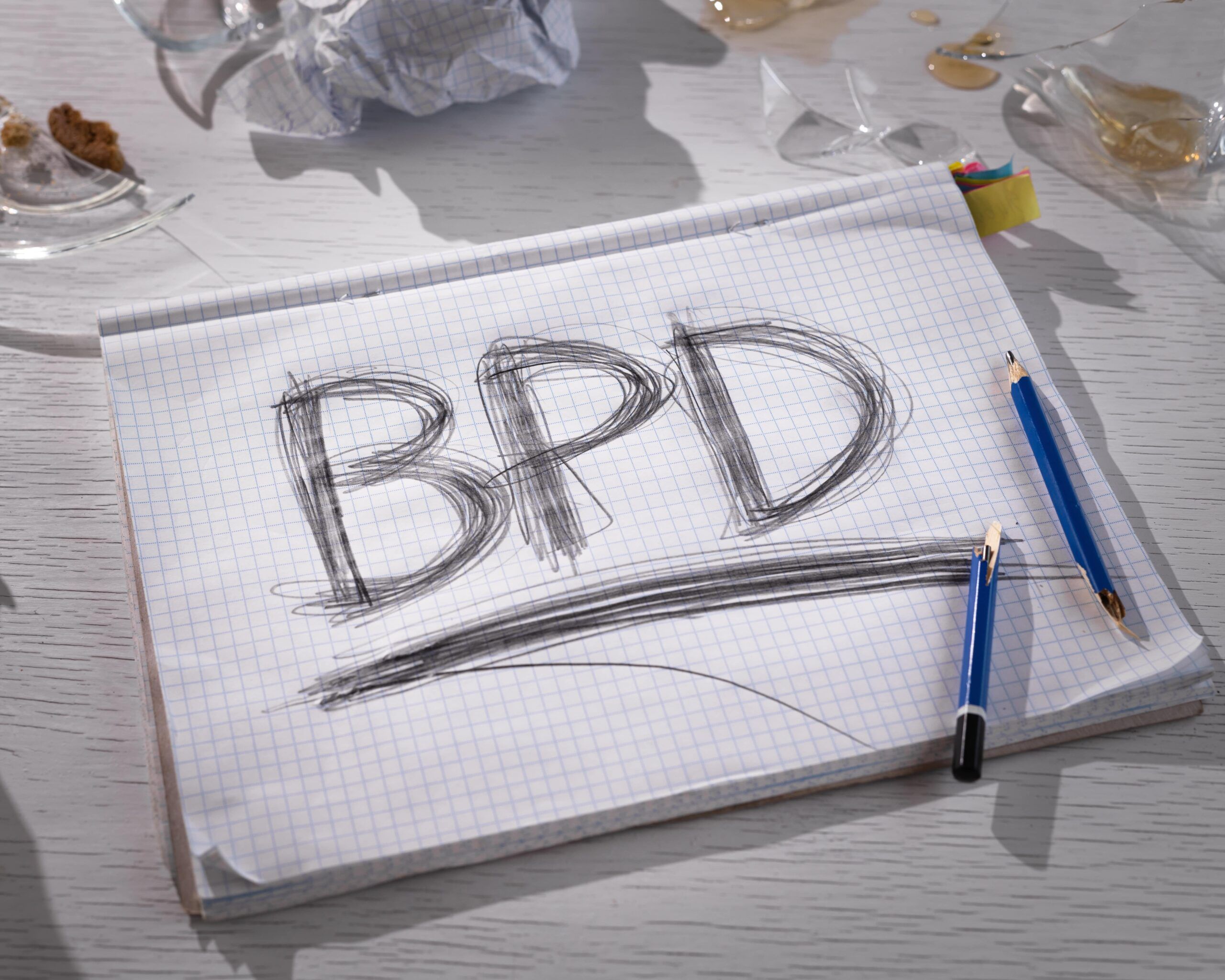
Borderline Personality Disorder (BPD) is commonly diagnosed as a co-occurring disorder in those struggling with addiction. BPD and addiction can be linked by this fact. BPD on its own is a difficult diagnosis. However, when addiction is factored in, this can be devastating for anyone involved.
Those who struggle with mental health disorders such as BPD often turn to drugs and alcohol to cope with symptoms. Thus, resulting in addiction and further complications caused by BPD. Therefore, having proper professional care helps these individuals gain peace in their lives again.
Exploring the Link Between Borderline Personality Disorder (BPD) and Addiction
Borderline Personality Disorder is a mental health disorder that is characterized by emotional dysregulation. In addition, it affects a person’s mood, self-image, and behavior. This condition can also lead a person to self-harm and view things in extremes. It can also result in difficulty controlling anger, intense mood swings, feeling empty, and suicidal thoughts or threats.
People who struggle with BPD often have a distorted sense of self and reality. This distortion can result in unstable and unhealthy relationships as well as impulsivity. Those struggling with Borderline Personality Disorder, like many other mental health conditions, often use drugs and alcohol as a means to alleviate the symptoms and cope with feelings that may arise. This practice can easily result in dependence and addiction in these individuals.
BPD and Addiction Statistics
A mental health diagnosis can be difficult to cope with, and BPD is no different. The effects of BPD often lead people to turn to drugs and alcohol as a means of coping with the condition. Thus, resulting in addiction. These co-existing disorders in one individual can be very difficult to manage without the proper professional care.
According to studies, about 50% of individuals who struggle with BPD also struggle with prescription drug abuse. Using drugs and alcohol, in individuals struggling with Borderline Personality Disorder, can produce a high that mimics a sense of relief from the symptoms of BPD. However, this feeling of relief is only temporary and the symptoms will return. Sometimes, more prominently.
BPD as A Co-Occurring Disorder
Dual diagnosis is a condition in which addiction is coupled with mental health conditions. So, when someone is struggling with addiction, and also receives a BPD diagnosis, these co-occurring disorders tend to complicate one another. It can make the symptoms of each condition more difficult to cope with. BPD and addiction are both life-altering and can make daily life extremely difficult on their own, when they coexist with one another, it makes the impacts of these conditions more intense.
Emotional Dysregulation, BPD, and Coping via Chemicals
Emotional dysregulation and upheaval can be difficult to manage without proper care. Often, individuals who are struggling with BPD are unaware of their diagnosis. The stigma surrounding mental health disorders is often a barrier to these individuals receiving much-needed care. Thus, resulting in them turning to alcohol and other substances as a means of coping.
So, while drugs and alcohol may seem to alleviate the symptoms that BPD causes, it can result in the development of a dependence, or addiction on the substances being used. Co-occurring mental health and substance use disorders need professional intervention to treat both conditions for the best possible outcomes.
Treatment and Therapy for BPD and Addiction
People who struggle with dual diagnosis often require professional assistance to begin healing and regain control of their lives. Treatment for these conditions often consists of a combination of therapy, medications, and professional support. Dialectical behavioral therapy (DBT) is a beneficial form of therapy that helps individuals who are struggling with BPD to learn positive ways of coping with their intense emotions.
DBT focuses on the individual accepting the reality of their lives and emotions. With this acceptance, they can begin to learn positive behaviors to implement in their lives that can enhance it. Often, individuals with BPD turn to unhealthy coping mechanisms and behaviors resulting in further impacts to their lifestyle. DBT is a form of therapy that helps these individuals begin using positive coping mechanisms to get through the intense emotions they are experiencing.
Hope for Recovery
Those struggling with this dual diagnosis have hope for a healthier, happier lifestyle. There is treatment available that helps these individuals learn how to manage the dual diagnosis. The first step toward recovery begins with detoxification.
Detox is necessary to remove the substances from the system. Thereby, creating a clear mind for learning and implementing positive coping skills. Dual diagnosis also often cause fractured family relationships. Family therapy can help heal these relationships. Treatment for these conditions can also help to improve self-esteem and self-worth. The first step is reaching out for help.
Begin BPD and Addiction Treatment
A borderline personality disorder is a life-changing diagnosis that can be highly disruptive. It can result in personality changes that can be difficult to manage. Those who are struggling with BPD have hope, though. If you or a loved one are struggling with BPD and addiction, Empowered Recovery Center can help. At our drug and alcohol rehab in Atlanta we offer personalized care plans that cater to the individual’s particular needs.
Call us today to begin your healing and recovery process and start on the path to a happier and healthier life.
Program Links
Read Our Reviews